Wedding Card Templates for Real Embroidery Projects
As an embroidery designer with years of hands-on experience, I always approach a new design from the perspective of how it will perform in real-world applications. When I recently came across Wedding Card Templates, I was curious to see if these digital graphics could translate well into tangible embroidered products beyond their intended use as printable cards.
A First Look: Mood and Visual Appeal
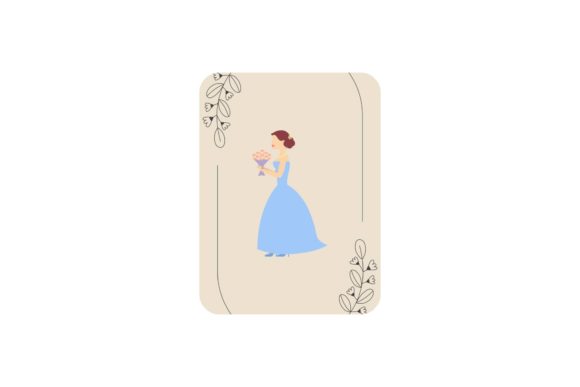
The first thing that struck me about Wedding Card Templates is their elegant aesthetic. The designs feature soft curves, floral motifs, and clean typography that evoke a romantic and celebratory mood. They’re clearly crafted for wedding-related content, but the visual language they carry—graceful lines, balanced composition, and a touch of whimsy—can be adapted into a variety of handmade items with the right tweaks.
I noticed the canvas size is 1920px X 1280px, which gives enough resolution to scale the design down or up without losing clarity. This is especially helpful when repurposing card elements into smaller formats like patches or tote bag accents. The layout suggests it's meant for flat surfaces, which aligns with most paper-based designs, but I wondered how it would hold up on fabric.
From Paper to Fabric: Stitching Clarity and Design Translation
Embroidery isn’t just about aesthetics; it’s also about stitch behavior. While the original Wedding Card Templates are digital graphics, not machine embroidery files, they can serve as excellent starting points for creating your own custom embroidery projects. For instance, if you're working on a sweatshirt embroidery or a tote bag design for a boutique or Etsy listing, you might extract the main graphic elements—like a heart motif or floral border—and convert them into usable embroidery file formats using vector software.
The detail level in these templates is quite high, which means you’ll want to be cautious when scaling. Tiny lettering or intricate corner details may become illegible or lose their charm if not properly adjusted for stitching. However, the bold elements work well for satin stitch and fill stitch applications, especially when paired with a good contrast between thread colors and background fabric.
Real-World Applications for Wedding Card Templates
Let’s say you’re preparing a personalized gift for a couple getting married. You could take the central illustration from one of the Wedding Card Templates and embroider it onto a kitchen towel or pillow cover. The result is a cohesive theme that feels special and handcrafted. It’s perfect for a holiday gift or even nursery decor with subtle adjustments.
- Custom Apparel: Use the larger elements as applique design pieces on sweatshirts or t-shirts.
- Baby Items: Repurpose simpler shapes for baby embroidery on onesies or bibs.
- Patches: Extract key symbols (like rings or "just married") for embroidered patch creations.
- Small Shop Merchandise: These templates can help maintain brand consistency in handmade product lines, especially if you're selling wedding gifts or holiday gifts.
For craft business owners or Etsy sellers, the versatility of Wedding Card Templates makes them valuable design assets. If you create printable mockups or sell digital embroidery file kits, this product offers a solid foundation for building unique collections.
Where to Be Careful
While the templates look beautiful, there are a few considerations before using them in actual embroidery projects:
- Small Hoop Sizes: Some of the more detailed corners may struggle in tight spaces. Always confirm the required hoop size after conversion.
- Textured or Stretchy Fabrics: The fine lines and delicate flourishes in the Wedding Card Templates may not stitch smoothly on stretchy or uneven materials. Test on a scrap piece of similar fabric texture first.
- Dense Stitch Areas: If you’re using the full template on a large item like a blanket or apron, areas with high stitch density may pucker or distort if not stabilized correctly. A good stabilizer is essential here.
- Thread Color Contrast: Make sure your chosen thread colors stand out against the fabric. Dark backgrounds can mute the effect of light-colored embroidery.
- Frequent Washing: Designs with many small elements or tiny text should be used carefully on garments that go through frequent laundering, such as baby clothes or kitchen towels.
Design Notes for Practical Embroidery Use
If you're planning to use Wedding Card Templates as part of a commercial embroidery project, remember that these are part of the Freebies category. That means while they’re great for inspiration or personal handmade product development, you’ll need to check licensing terms before selling any finished items or reselling the digital assets themselves.
Here are some quick tips I’ve picked up over the years when adapting similar graphics into embroidery:
- Always test the design on scrap fabric before committing to a final product.
- Use black and white mockups to evaluate how the design will look with different color threads.
- Inspect the running stitch patterns for long runs that might break during stitching.
- Check whether the design works equally well for both personal and commercial embroidery purposes.
- Consider product recognition and giftability—will customers instantly understand the theme?
Customer Trust and Professionalism
In today’s market, customers expect quality and attention to detail. Using a professionally designed Graphics set like Wedding Card Templates can elevate the finished product and contribute to a sense of professionalism in your brand. Whether you're making personalized gifts or branded small shop products, a well-executed design can increase buyer engagement and reinforce customer trust in your work.
However, keep in mind that the visual appeal of the design relies heavily on its execution. Poorly converted files or mismatched thread colors can make the handmade presentation feel rushed or unpolished. As a designer, I always recommend double-checking every element before stitching on a client’s garment or a product you plan to sell.
Final Thoughts for Makers and Sellers
Wedding Card Templates offer a strong visual personality that can be harnessed creatively across multiple product types. From embroidered patches to custom apparel, the potential is there—but it requires thoughtful adaptation. These aren’t just pretty images to print; they’re a starting point for crafting meaningful embroidery projects that resonate with clients and customers alike.
So, if you're an embroidery designer, apparel decorator, or creative entrepreneur, consider how you can rework these templates into something truly unique. With the right tools and a bit of experimentation, you can turn them into standout design assets that reflect your style while maintaining a timeless wedding theme.