Wedding Monogram Calligraphic Review: A Designer’s Perspective
As an embroidery designer who regularly evaluates digital graphics for real-world application, I always look for something that feels both elegant and practical. Wedding Monogram Calligraphic caught my attention because of its refined aesthetic and versatile file formats. But does it hold up under the scrutiny of actual stitching? Let’s dive into how this design performs when used on a variety of products and what you should consider before adding it to your next project.
First Impressions: Elegance in Simplicity
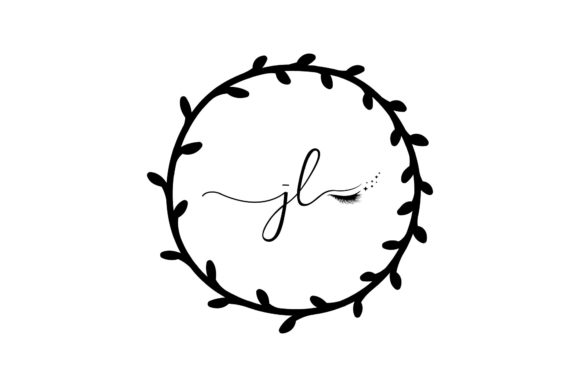
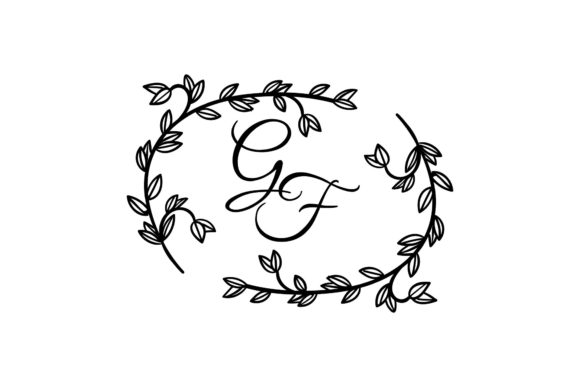
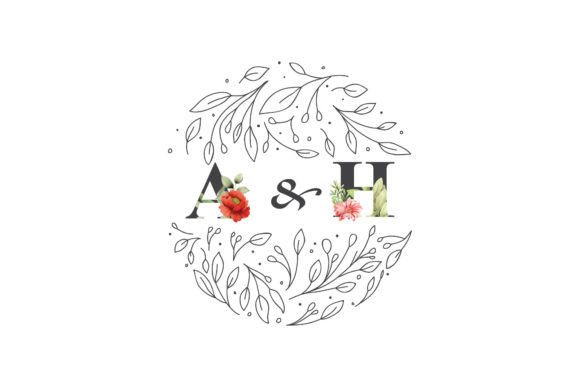
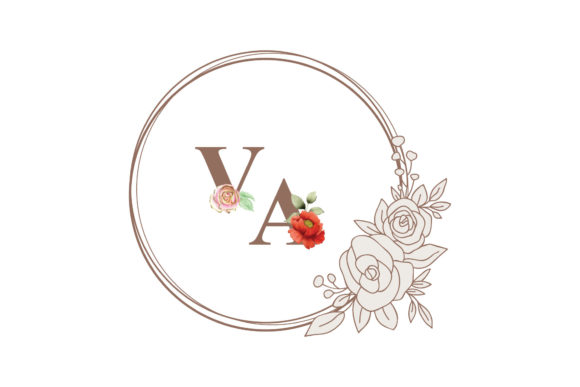
The first thing that stands out about Wedding Monogram Calligraphic is its classic, timeless feel. The calligraphic script brings a touch of sophistication, while the clean layout ensures it doesn’t overwhelm the eye. This monogram has a soft, romantic energy — perfect for wedding-related items or anything where a personal touch adds value. It’s not overly ornate, but it still conveys luxury and attention to detail.
I can see this design fitting well on linen table runners, embroidered sweatshirts for bridal showers, or even as part of a custom apron for a wedding boutique. Its personality is subtle enough to complement other elements but bold enough to stand alone as a statement piece. The canvas size of 1920 px x 1280 px gives designers some flexibility, though it's important to note that this doesn’t automatically mean the design will fit all hoop sizes without resizing.
What Works Well Visually
- Shape and Theme: The calligraphic style suggests movement and grace, which aligns perfectly with the theme of weddings.
- Layout: Balanced composition with generous spacing between letters makes it easy to adapt to different product types.
- Detail Level: While not ultra-detailed, it maintains enough texture and flow to appear handcrafted and intentional.
Real-World Embroidery Performance
Let’s imagine a common scenario: a client wants a personalized tote bag for their wedding registry. They love the idea of having their initials stitched in a beautiful font. Wedding Monogram Calligraphic could be a great choice here. On a medium-weight cotton canvas tote, the design stitches cleanly and retains its shape, especially if you use a good stabilizer underneath.
Another example is using this design on a baby onesie or a custom pillow cover. In both cases, the monogram remains legible and visually appealing, especially when paired with high-quality thread colors. However, the key lies in choosing the right background fabric. Light-colored fabrics like white, ivory, or pastels make the design pop, whereas dark tones may require contrasting threads to maintain visibility.
Best Use Cases
- Custom Apparel: Sweatshirts, t-shirts, and hoodies benefit from the bold yet readable lettering.
- Tote Bag Design: Ideal for wedding gifts, anniversary presents, or boutique-style merchandise.
- Embroidered Patch: Can be adapted for cap or hat embellishments, especially if resized appropriately.
- Personalized Gift Items: Think tea towels, aprons, or decorative pillows — all gain a premium look with this graphic.
- Commercial Embroidery Projects: With proper scaling and stabilization, this design can be used across multiple products in a cohesive line.
Where Caution Is Key
While Wedding Monogram Calligraphic looks stunning on large, flat surfaces, there are situations where it might not perform as expected. For instance, applying it to a small hoop (like a 4x4 inch hoop) would likely result in cramped lettering and lost elegance. The same goes for textured or stretchy fabrics — the fine lines and curves of the calligraphy can distort if the fabric isn't stable enough.
Also, keep in mind that thin or delicate materials such as silk or chiffon may struggle with dense stitch areas. You’ll want to review the stitch density of the design before committing to such projects. If the original files don’t include stitch count information, it’s wise to test them on scrap fabric first to ensure they won’t pucker or tear the material.
Design Considerations
- Small Hoop Sizes: Avoid unless you’re prepared to rework the design for scale and clarity.
- Textured Fabrics: May interfere with the smoothness of the calligraphic strokes.
- Curved Surfaces: Hats or curved caps could cause misalignment if not properly adjusted.
- Dense Stitch Areas: Could risk damaging fragile or stretchy fabrics if not stabilized correctly.
Impact on Product Value and Customer Perception
Monograms have long been associated with exclusivity and quality. When applied thoughtfully, Wedding Monogram Calligraphic elevates the perceived value of any handmade product or craft business item. Customers appreciate the added personalization, and it helps build trust that the item was made with care and professionalism.
For Etsy sellers and small shop owners, this design can enhance brand consistency. Whether it’s a holiday gift, a boutique product, or a nursery decor item, having a signature monogram style reinforces your identity. Buyers often engage more with products that tell a story, and this design clearly communicates elegance and individuality.
Visual Appeal and Stitch Clarity
When tested on a light grey sweatshirt, the design maintained excellent stitch clarity. The calligraphic style translated well into satin and running stitches, giving the final product a polished finish. On a pillow cover made of cotton-linen blend, the details were crisp, and the overall effect felt luxurious.
However, on a darker fabric like navy blue denim, the contrast wasn’t as strong. To fix this, I recommend testing the design in black and white mockups before selecting thread colors. This step helps identify potential visibility issues and allows for better color pairing choices.
Designer Tips for Optimal Use
If you're planning to incorporate Wedding Monogram Calligraphic into your embroidery workflow, here are some practical notes to help you avoid pitfalls:
- Test on Scrap Fabric: Especially if you plan to use it on stretchy or delicate materials.
- Check Thread Color Contrast: Make sure the chosen thread complements or contrasts the fabric effectively.
- Review Stitch Density: High-density fill areas may need adjustment depending on the fabric type.
- Confirm Hoop Size: The design is optimized for a larger canvas, so smaller hooping requires careful resizing.
- Inspect Small Details: Ensure the smallest parts of the monogram remain visible after stitching.
- Use Proper Stabilizer: Tulle or cutaway stabilizers can prevent distortion on tricky materials.
- Verify Commercial Licensing: If you're selling finished products or digital embroidery files, confirm the licensing terms apply to your intended use.
Mockup and Presentation Suggestions
Because this design is provided in AI, SVG, PNG, JPG, EPS, and DXF formats, it works well for printable mockups. As a digital product seller or craft fair vendor, you can create compelling previews to showcase how the monogram looks on various items. This can increase buyer engagement and reduce returns due to unmet expectations.
Final Thoughts from a Real Project Standpoint
In my experience, Wedding Monogram Calligraphic is a solid addition to any embroidery designer’s library — especially those working in the realms of personalized gifts, custom apparel, or boutique branding. It brings a level of refinement that many customers expect for special occasions like weddings or anniversaries.
But remember, no design is one-size-fits-all. Always consider the context of your embroidery project. Will it be on a frequently washed kitchen towel or a once-in-a-lifetime wedding gift? Each scenario demands a slightly different approach to thread selection, stabilizer use, and placement.
If you’re looking to add a touch of romance and customization to your next batch of handmade products, give Wedding Monogram Calligraphic a try. Just be sure to test it thoroughly and understand its limitations. With the right preparation, it can become a valuable asset in your creative toolkit — enhancing both visual appeal and customer satisfaction.