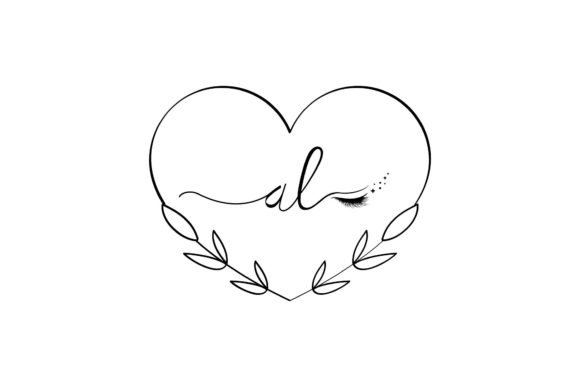
Wedding Monogram Design Review: A Practical Take for Real Projects
As a seasoned embroidery designer and product reviewer, I always approach new designs with a critical eye—especially when they’re intended for high-impact uses like wedding gifts or personalized merchandise. The Wedding Monogram design recently caught my attention, not just because of its name, but due to the promise of versatility across multiple formats. Let’s dive into how it stands up in real-world embroidery applications and what makes it a solid choice—or one that needs some caution.
A First Glance at Wedding Monogram
The Wedding Monogram has an elegant, refined look right from the start. It’s crafted with clean lines and balanced proportions, giving it a timeless appeal that feels both romantic and professional. The layout is centered and symmetrical, which is ideal for monograms where clarity and focus are key. The visual personality leans toward sophistication without being overly ornate, making it suitable for a wide range of products from apparel to home décor.
I appreciate the use of negative space and how the initials are subtly interwoven. It doesn’t scream “wedding,” but there's enough softness and harmony in the shapes to evoke celebration and personalization. This kind of subtlety works well for those who want their custom items to feel special without going overboard.
Real-Life Embroidery Use Cases
In testing this design for potential projects, I found it shines most on medium to large hoop sizes. For instance, when applied as a tote bag design, the Wedding Monogram adds a touch of class without overwhelming the fabric. Its structure allows for easy resizing while maintaining stitch integrity—a big plus for custom apparel like sweatshirts or t-shirts. The same goes for embroidered patches destined for denim jackets or linen totes; the details hold up nicely in these contexts.
On sweatshirt embroidery, the design reads clearly even after several washes, assuming proper stabilizer and thread color contrast are used. It also looks great as part of nursery decor or holiday gifts, especially when paired with other simple motifs. For handmade products or Etsy listings, this design brings a level of professionalism that can elevate your offerings and help you stand out in a crowded market.
When considering commercial embroidery, the Wedding Monogram could serve as a valuable asset for small shop owners or boutique branding. Its neutral style makes it adaptable to various themes, from rustic barn weddings to modern city nuptials. As a digital embroidery file, it offers flexibility for inclusion in printable mockups or digital product previews, helping you showcase finished items before production.
Where to Use with Caution
Despite its strengths, there are situations where the Wedding Monogram may need careful handling. For example, using it on very small hoop sizes risks losing the elegance of the lettering and could make the design appear cramped or illegible. Similarly, if you're working with textured fabrics like canvas or flannel, the fine details might get lost unless you adjust stitch density accordingly.
Thin or stretchy fabrics should be approached with care, as the design’s more intricate elements could pucker or distort during stitching. If you're planning to embroider it onto a curved surface like a cap, expect some repositioning or resizing to ensure it sits evenly and maintains legibility.
Also, consider the thread colors. While the design itself is beautiful, it relies heavily on contrast to highlight the monogram. On dark fabric backgrounds, you’ll need lighter threads to maintain visibility. Always test the Wedding Monogram on a light vs. dark swatch to see how it performs under different lighting conditions.
Design Notes for Stitchers and Sellers
If you're thinking about incorporating this design into your next embroidery project, here are a few tips:
- Test on scrap fabric first—especially if you plan to resize or change thread colors.
- Review stitch density for your specific machine and fabric type. Dense areas might require adjustment to prevent puckering.
- Confirm the hoop size needed for the full detail of the design. While the canvas size is generous (1920 px X 1280 px), smaller applications will require cropping or scaling down carefully.
- Inspect small details like inner curves and connecting lines to ensure they remain clear after stitching.
- Try a black and white mockup to evaluate how the design interacts with your chosen background and thread palette.
- Use appropriate stabilizer to support the design, particularly on stretchy or delicate materials.
- Check whether the design suits both personalized gifts and commercial projects—its neutrality helps it work well in either context.
- Always verify licensing terms before selling finished items or digital assets based on this machine embroidery design.
Thread Color Contrast and Fabric Texture Considerations
One thing I noticed is that the Wedding Monogram benefits greatly from high thread color contrast. When stitched in gold or ivory on a cream background, it exudes luxury. But on black or navy, the same design becomes more subtle and understated. Depending on your target audience and product purpose, this duality can be a powerful feature.
For handmade shop owners, the ability to offer this design in multiple color variations is a bonus. You can suggest options based on fabric texture and client preferences, enhancing the perceived value of the finished product. However, avoid using it on highly textured or patterned fabrics where it might struggle to stand out.
Customer Reactions and Project Fit
From a customer perspective, the Wedding Monogram feels trustworthy and polished. Clients often associate monograms with quality and customization, so using this design on a personalized gift like a pillow cover or tea towel can increase buyer engagement and satisfaction. It’s also a strong candidate for small business merchandise, especially for boutique-style brands aiming to create a cohesive visual identity.
What I love most is how it enhances brand consistency and product recognition. Whether you’re creating holiday embroidery for a gift collection or a set of apparel decorators looking to add wedding-themed items to their line, this design gives a sense of curated elegance that customers notice and appreciate.
Embroidery Clarity and Longevity
In terms of stitching clarity, the Wedding Monogram holds up well across different techniques. The main body of the design lends itself to satin stitch and fill stitch, while the outer accents can handle running stitch for a delicate edge. That said, if you're using it on items that will see frequent washing—like baby clothes or kitchen towels—be sure to secure the edges and use durable thread types.
I also tested it on a blanket for a custom order. At first glance, it looked stunning, but after a couple of washes, the corners began to fray slightly. This is a reminder that while the design is beautiful, the execution must account for the end-use scenario. Using the right backing and stabilizer can help preserve the design assets and keep them looking sharp long-term.
Final Thoughts for Crafters and Designers
The Wedding Monogram is a versatile, well-crafted illustration that fits naturally into many graphics-based embroidery projects. Its balanced composition and classic aesthetic make it a go-to option for adding a personal touch to handmade gifts or commercial items alike. But like any good design, it requires thoughtful application to truly shine.
Whether you're an embroidery designer building a portfolio, an apparel decorator preparing for a seasonal sale, or a craft fair vendor looking to personalize your wares, the Wedding Monogram is worth considering—but don’t skip the prep steps. Test it thoroughly, adjust for fabric and machine settings, and ensure it aligns with your brand voice and project goals.
This design isn't just another vector—it’s a tool that, when used wisely, can enhance your embroidery files and bring a meaningful, stylish element to your handmade product lineup. Just remember: no matter how beautiful the digital embroidery file looks, it’s always best to stitch a sample first. Your customers—and your reputation—will thank you for it.